Moulting in Raptors: How to Support Your Bird Through the Annual Moult
Every raptor you will ever fly replaces its plumage. The moult is the most physically demanding thing a healthy bird does all year, and it happens quietly, over weeks or months, while you are thinking about the weather and the coming season. Get it right and you will see it in tight, glossy feathers and a bird that steps to the glove ready to work. Get it wrong and you will spend the autumn studying ragged edges and a hawk that feels flat.
Supporting a moult is not complicated. It asks for good food, sensible housing, warmth without draughts, a settled routine and patience while the bird does the rest.
What Is Actually Happening
A feather is mostly keratin, the same material as your fingernails. Once it is fully grown it is dead tissue, and it cannot repair itself. Sun, dust, abrasion and the strain of flying all wear it down, so the bird grows an entirely new set.
Feathers are not shed at random. They are dropped in a controlled sequence, usually in matched pairs or groups so the bird always keeps enough flight surface to fly and hunt. In falcons and hawks you will often see the primaries step along the wing from the centre outwards over the course of the summer. Owls tend to moult more softly and evenly, which protects the silent edge of their flight. Species, size, age and latitude all affect timing, but for most birds the moult follows the breeding season and runs into late summer or autumn.
The most useful thing to understand is the blood feather. A new feather pushes out as a quill with a live blood supply running up the shaft. It is fragile, it is heavy, and it hurts if it is knocked. It is also the stage where most moulting accidents happen.
Feeding for Feather Growth
Growing a full set of feathers takes a great deal of protein and energy. A moulting raptor is not simply resting; it is building. Many falconers find that a bird's appetite rises noticeably at the start of the moult, and it is a mistake to keep it hungry out of habit.
- Increase whole prey. Day-old chicks, quail, mice and rats give a balanced package of protein, fat, calcium and bone rather than lumps of muscle meat alone.
- Ring the changes. Vary the diet across the week. A bird fed nothing but chick for three months is unlikely to moult as well as one getting several prey types.
- Feed the right amount. Keep the bird comfortably fed without letting it become obese. Fat birds moult poorly and fly worse.
- Be cautious with supplements. Moulting products are widely sold, but over-supplementing fat-soluble vitamins can do harm. If you are feeding varied whole prey, most birds need little extra. Take veterinary advice before adding anything.
- Keep water clean and offer a bath. Most raptors bathe enthusiastically given the chance, and it helps them condition their plumage.
If a moult stalls partway through, or the new feathers come through dull, brittle or misaligned, treat it as a health question rather than a feeding puzzle. An avian vet is the right person to ask.
Housing, Perches and Weathering
New feathers are soft and easily damaged, so look at your aviary with fresh eyes at the start of the moult. Check for rough concrete, abrasive perches, protruding screws, sharp mesh edges and anything a bird might brush against while turning. Walk the length of the jesses and anklets with your fingers, too; an old, stiff jess that rubs at the leg causes more trouble in moult than most people expect.
Give the bird as much space as you can. Room to move, a choice of perches at different heights and a sheltered, dry end to retreat to will do more for feather quality than any supplement. Weathering is valuable, especially morning sun, but it should be a choice, not a sentence.
Temperature, Draughts and Damp
A moulting bird is putting energy into feathers, so less is available for keeping warm. Cold, damp and draughty conditions quietly set a moult back.
Provide a perch out of the wind and rain and aim for steady temperatures rather than extremes. If birds are housed indoors or in a shed, avoid moving them between a warm room and a cold outdoor flight several times a day. Never leave a freshly bathed bird sitting in a cold wind. And if the bird is kept inside, keep it away from the dry blast of a radiator or heater, which dries skin and feather shafts.
Keeping Stress Low
Treat the moult like convalescence. New feathers are blood-rich, and a bird that is constantly handled, moved or startled will grow poorer plumage and take longer over it.
Keep the routine the same. Feed at roughly the same times, keep the aviary in the same place, and avoid major changes such as new birds, new dogs in the garden or building work alongside the flight. Handle only when you need to — for weighing, for health checks, for essential maintenance. When you do, work calmly and slowly and let the bird settle afterwards. If a bird needs regular weighing, keep the scales in or beside the aviary so the process is quick and familiar rather than an event.
Training and Flying During the Moult
Opinions differ, and the bird usually settles the argument. Gentle exercise keeps muscle tone and keeps a bird interested in you, but hard, fast flying burns energy the moult needs and puts growing feathers at risk.
A reasonable middle path is light work: call-offs on a line, short recalls, a little flying to the fist and plenty of time on the block. Cut back sharply if the bird is dropping weight or looks tired, and stop entirely if it has damaged flight feathers. Never fly a bird that is carrying broken or bleeding quills.
A Simple Moult Routine
Most of the work is a five-minute daily check. Look at the bird, not just at the food bowl.
- Weigh regularly and note the trend rather than any single figure.
- Scan the wings and tail for dropped feathers, growing quills and anything broken or bent.
- Check legs, jesses and anklets for rubbing or swelling.
- Offer food of good quality and enough of it.
- Provide clean water and bathing opportunities.
- Keep the aviary quiet, dry and free of anything sharp.
- Log anything unusual — a stalled moult, a persistent blood feather, a change in appetite — and call an avian vet if it does not settle.
Do that consistently and the moult stops being something that happens to your bird and becomes something you manage together. The reward arrives on a sharp morning in October, when the bird drops to the fist with a full, clean set of feathers and you remember why you waited.
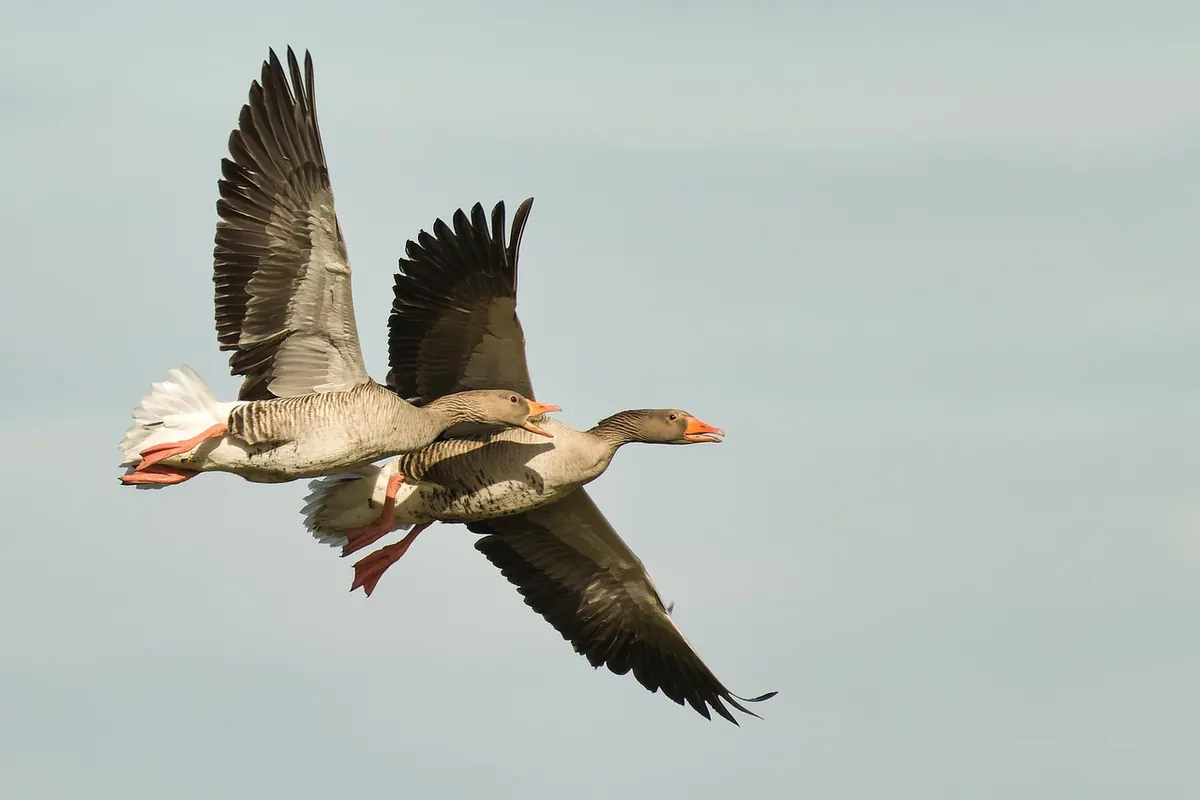
Photo: naturschnecke / Pixabay
You Might Also Like
A practical first aid checklist for falconers — controlling bleeding, supporting suspected fractures, and dealing with heat stress, poisoning and shock before you reach an avian vet.
Practical ways UK falconers can back raptor conservation — joining survey and nest-box projects, breeding responsibly, improving habitat and keeping records that stand up.