Falconry in the UK: A Month-by-Month Guide to Seasonal Training and Hunting
Falconry in Britain runs on the calendar whether we like it or not. Daylight, temperature and the moult set the terms, and the falconer's job is to work with them rather than fight them. Get the timing right and a bird turns up in October fit, keen and steady on the fist. Get it wrong and you spend the winter patching up condition you should have built in August. What follows is how the year tends to unfold for most UK falconers, from the short, sharp days of January to the long, quiet weeks of the moult.
The Falconer's Year in Three Phases
It helps to think in broad phases rather than months, because weather shifts them about and every bird is an individual.
- Hunting season – roughly October to February. Birds are at flying weight, flown regularly, quarry is about and daylight is short.
- Moult – roughly March to September. Weight comes up, flying stops or drops to a trickle, and the priorities become nutrition, calm and clean feather growth.
- Pre-season – roughly August to September. Weight comes back down, fitness is rebuilt and the bird is entered to quarry again in easy stages.
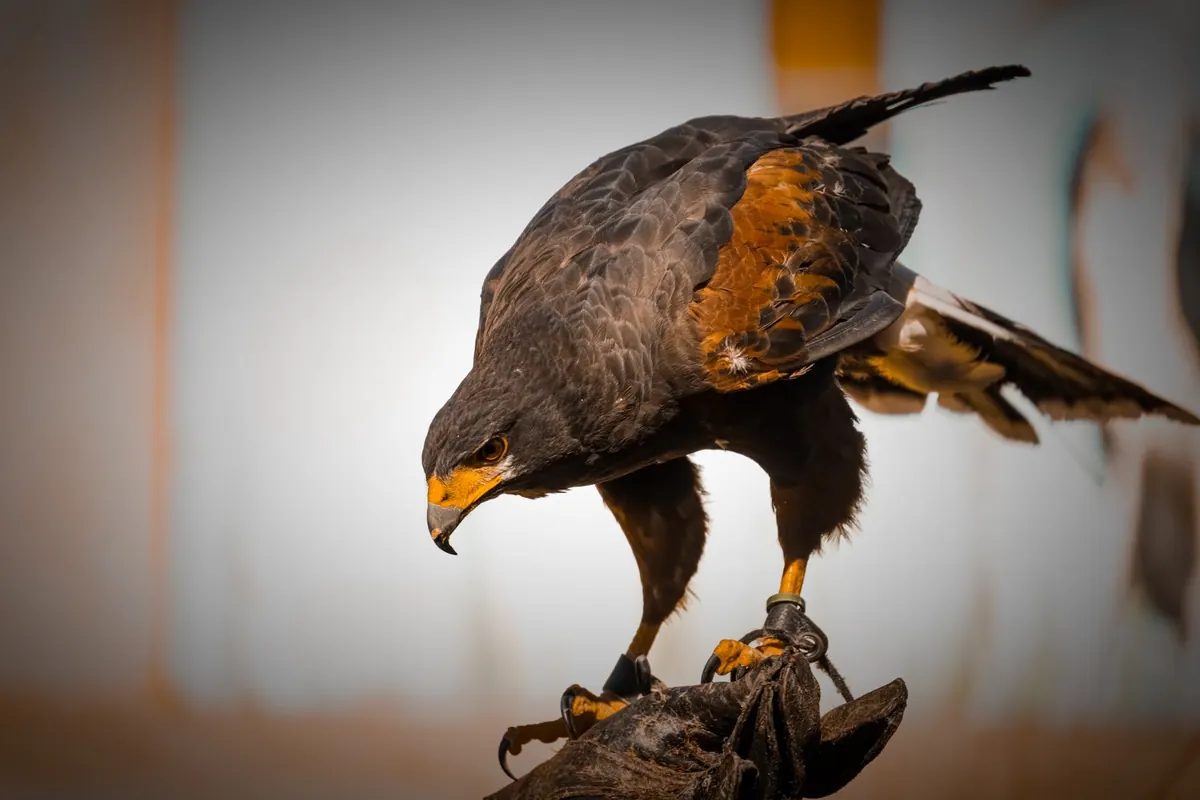
A Harris's hawk will often moult a little earlier and more evenly than a peregrine. A young bird that has never hunted needs a longer runway than a made bird that knows the game. Treat the dates below as a framework, not a rulebook.
January and February: the Season at Full Stretch
This is the sharp end of the year. Frost on the grass, hard ground, rabbits sitting tight and squirrels busy in bare trees. From late January the days lengthen noticeably, which means you can still get a fly in after work rather than losing the light at half past three.
Cold is the enemy of good flying. A bird flown into a biting wind burns through its reserves quickly, so keep sessions short and successful, fly earlier in the day when you can, and resist the temptation to drop weight because the bird looks sharp. Check feet after every outing, particularly on frozen or gritty ground, and look over jesses and swivels for wear. A swivel that fails in February costs you a bird.
Quarry seasons differ between species and between the four nations, so check the current position before you fly anything you are unsure about.
March to May: the Moult Begins
The first primaries drop and the bird tells you the season is over. Appetite changes, response slows, and that sleek look starts to soften. Fighting it is a mistake.
Bring the weight up gradually over a week or two rather than in one jump, and switch to good, varied food. Feather is protein, so this is not the moment to economise on diet. Stop hard flying and let the bird spend more time in the weathering with a decent bath pan, sun on its back and shelter from wind and rain when it wants it.
Start a simple moult record if you do not keep one already. Note which feathers have dropped and roughly when. Two years of notes will tell you more about your bird than any general advice.
June to August: Rest, Repair and Observation
The quiet stretch. Long evenings, warm weather and very little flying. A moulting bird carries a little condition on purpose, so keep it well fed and do not strip weight off it to keep it keen. Handle it daily, but gently — enough to keep the bond and the manners, not enough to make it restless.
Use these weeks for everything that is difficult to do once the season starts:
- Replace jesses, swivels and any perches that have gone smooth or split.
- Service telemetry, test batteries and range, and replace transmitter mounts.
- Walk your permission land and talk to landowners about autumn access.
- Sort out ferreting dates, dog training and any shooting you rely on.
- Book a routine check with a vet who actually sees birds of prey.
- Restock the freezer with rabbit, quail and day-old chicks.
If you do fly in summer
Some falconers keep a bird going quietly through the moult at a higher weight, flying to the lure or doing short, easy slips. It is a reasonable compromise if the bird stays relaxed, but expect the moult to run slower and the feather to be no better than the diet behind it. If the bird gets edgy or the feather quality drops, stop and let it finish.
September and October: Building the Bird Back
The moult tails off, the weather breaks and quarry starts to look plentiful again. This is the stretch where the season is won or lost, and it pays to move slowly.
- Weigh the bird, check the new feather has fully grown and hardened, and deal with anything that looks wrong before you fly.
- Reduce weight gradually, a little at a time, over days rather than hours. Watch the keel and the droppings as much as the scales.
- Rebuild the basics — recall to the fist or lure, creance work if you need it, and a crisp response before you go anywhere near live quarry.
- Free-fly in familiar, safe ground with telemetry fitted and tested. Choose your weather.
- Enter to quarry with the easiest slips you can arrange, and end on a kill or a generous reward.
- Increase the difficulty over weeks, not sessions.
Young birds are a chapter of their own. Many falconers hack a youngster back earlier in the summer, then bring it in and start entering once fitness is building. Everything else is patience.
November and December: Back in Earnest
Short days, low sun and the best flying of the year. Rooks and pigeons for the longwings, rabbits and squirrels for the shortwings, ferreting days with a Harris's hawk working the hedgerows alongside ferrets and a spaniel.
Aim for rhythm rather than heroics: three or four outings a week suits most birds better than one exhausting day followed by a week off. Log the weight, the quarry and the weather each time. Watch for sourness, weight creep and sore feet, and remember that a bird flown hard into December on poor rations will be a problem by January.
Keeping the Whole Year in Good Order
A few habits make all of this easier. Keep a diary and weigh daily at the same time of day. Know your bird's working weight and its safe upper limit, and record both. Fit telemetry every single time, even on a bird you trust completely. Have an avian vet's number on the fridge before you need it, and keep a modest supply of food in the freezer so a bad week does not force a change of diet.
Keep an eye on the rules as well as the bird. Requirements for keeping, registering, ringing and flying birds of prey vary across England, Scotland, Wales and Northern Ireland, and they do change. Check current guidance from the relevant government agency before you buy or fly, and take proper legal advice if anything is unclear. It is far cheaper than getting it wrong.
Above all, be willing to sit out a day. Bad weather, a heavy moult and a bird that is not quite right are all reasons to leave the bird on its perch and try again tomorrow. The calendar is long, and there is always another morning.
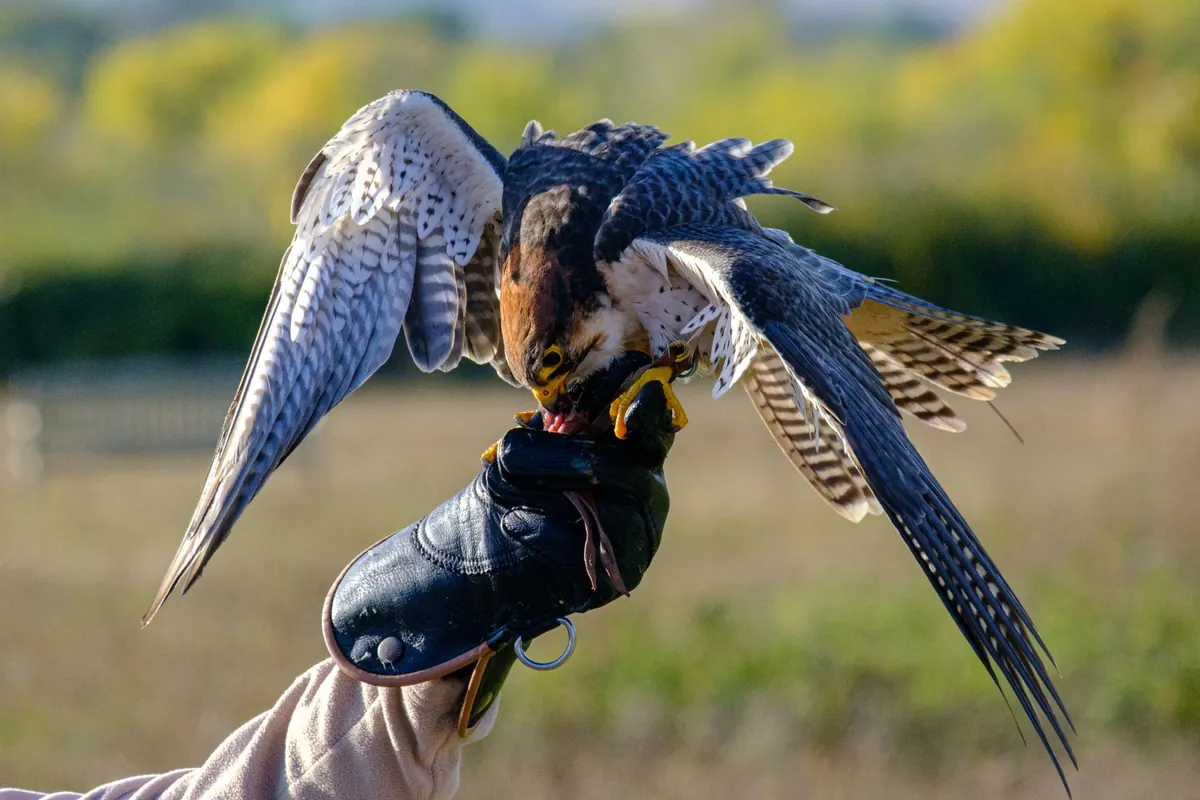
Photo: Meatle / Pixabay
You Might Also Like
A practical first aid checklist for falconers — controlling bleeding, supporting suspected fractures, and dealing with heat stress, poisoning and shock before you reach an avian vet.
Practical ways UK falconers can back raptor conservation — joining survey and nest-box projects, breeding responsibly, improving habitat and keeping records that stand up.