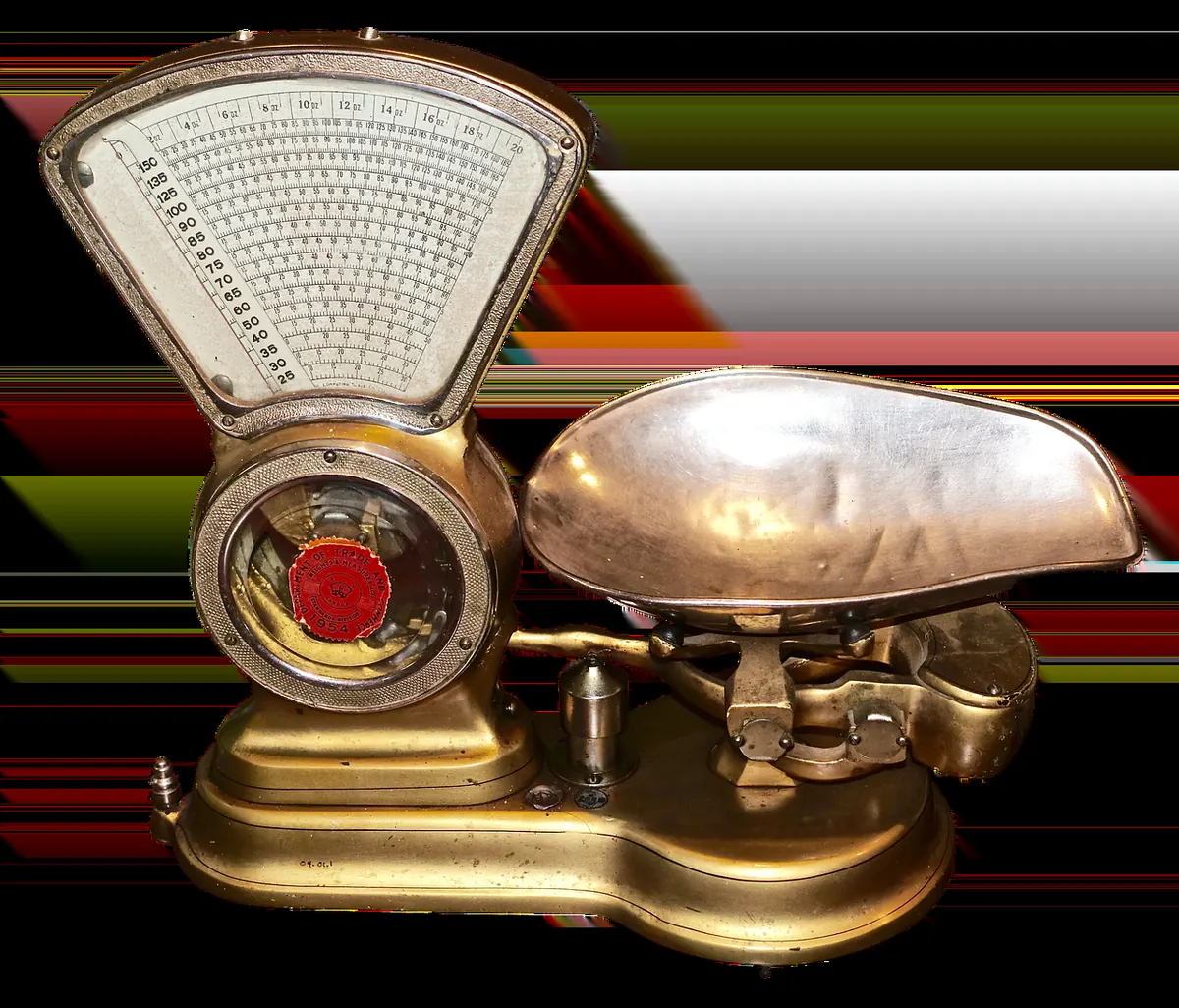
Understanding Raptor Weight Management: The Falconer's Most Important Skill
There is a moment every falconer learns to recognise. The bird steps to the fist without hesitation, the eye is bright, the response to the lure is instant, and the whole thing feels effortless. That moment is not luck. It comes from a weight that has been managed day by day, with a set of scales and a notebook. Get it right and training almost teaches itself. Get it wrong and you will spend weeks working with a bird that is either too full to care or too thin to be safe.
Weight Is Not the Same as Condition
The number on the scale is only half the story. Two birds can sit at the same weight on a Monday morning: one lean, muscled and ready to work, the other carrying fat it does not need and with a keel you can barely feel beneath soft tissue. Same figure, very different birds.
So falconers talk about condition as well as weight. Condition means muscle along the breast, the amount of fat laid down, the brightness of the eye, the tightness of the feathers. Weight is simply the measurement that helps you keep track of it. A flying weight is not a fixed figure either. It shifts with the season, the moult, the weather, the bird's fitness and its age. What worked in October may be wrong in February.
You will often hear a bird described as flying sharp — keen, responsive, quick to the fist. Sharp is a good place to be. It is not the same as low. A sharp bird still stands tall, carries good muscle and looks well. A weak bird is a different animal entirely.
Weigh Every Day, at the Same Time
Buy a digital scale that reads in single grams, fit a light perch to it, and use the tare function so the perch weight is cancelled out. Then build a routine. Weigh the bird at the same point every day, before it has been fed and before it has flown, with an empty crop. A bird carrying a full crop can easily weigh many grams more than it did that morning, and those grams will confuse you.
One reading tells you very little. The trend across a week tells you almost everything. Write the figure down — a notebook kept beside the scales is still the most useful piece of kit in the mews — and note anything unusual alongside it: a hard moult, cold weather, a long day on the wing, a missed meal.
Finding and Holding a Flying Weight
Start from the bird's well-fed weight and reduce the daily ration in small steps, a few grams at a time, rather than in one dramatic cut. Give each step a day or two to show itself. Watch the bird, not the target number.
- Good signs: steady eye contact as you approach, prompt steps to the fist and perch, immediate response to the lure or the swing of the fist, coming down willingly from a tree or roof.
- Too heavy: ignoring the lure, flying up and refusing to come down, sitting out, general indifference to you and to food.
- Too low: hunched posture, dull eye, reluctance to fly at all, sitting on the ground, poor or unusual droppings, shivering.
When the bird works well, write that weight down and treat it as your working flying weight for the moment. Expect to adjust it by a few grams as the weather changes. Cold, windy days burn more energy than mild, still ones, and most birds need a touch more food in a hard frost.
Remember the health caveat
Several of the "too low" signs above are also signs of illness. If a bird drops weight without explanation, refuses food or changes behaviour suddenly, that is a job for an avian vet, not for another adjustment to the ration. Find one before you need one.
Feeding: Ration, Tidbits and Timing
Weigh the ration. Falconry has lost more birds to guesswork at feeding time than to almost anything else. A small kitchen scale and a consistent evening feed will keep your morning weights predictable, and predictable weights are what make training possible.
Two things catch people out. First, tidbits count. Every scrap fed on the fist during a training session is part of the day's food, and a generous handful of chick can undo a careful ration. Second, timing matters. Feeding after flying, in the late afternoon or evening, means the bird wakes with an empty crop and a steady weight.
What to feed
Good quality, varied food does most of the work: day-old chicks, quail, rabbit, rat, with the occasional piece of heart or liver. Fur and feathers are not waste — they form the casting the bird needs to keep its crop and gut clean. Avoid relying on fatty, rich or processed meat, and avoid feeding the same single item day after day. Most of a bird's water comes from its food, so wet food matters more than a water bowl.
Reading the Body: Keel, Mutes and Feathers
The keel is the most honest indicator you have. Run your fingers gently either side of the breastbone. In a well-conditioned bird the muscle sits full and firm either side, with the bone as a light ridge you can feel but not a blade. If the keel stands proud with hollows either side, the bird is too low. If you have to press through soft tissue to find it, the bird is carrying too much.
Droppings are worth a glance but do not read too much into one sample. Colour shifts with diet, and a single odd dropping means little. A sudden, lasting change is worth investigating.
Feathers tell a longer story. Stress bars across the vanes, brittle tips or a moult that stalls can point to a bird that has been kept too low for too long or fed poorly. Check the keel and the breast weekly, and note it in the same log as the weights.
Mistakes That Catch People Out
- Chasing a number rather than reading the bird in front of you.
- Cutting weight sharply to force a quick response.
- Forgetting that weather, moult and illness all move the figures.
- Feeding by eye and calling it instinct.
- Leaving a bird with no plan for days at a time, then expecting it to fly well on return.
A Routine Worth Keeping
Weigh in the morning, before food and before flying, and write it down. Run your fingers down the keel once a week. Decide the day's ration on the scales, not in your hand, and remember to subtract the tidbits you plan to use. Fly, feed, log, and review the week's figures each Sunday. If the trend is drifting, correct it by a few grams rather than a dramatic cut, and give the bird time to answer.
That is the whole skill, really: small numbers, kept honestly, read alongside a bird you know well. Do that and most of the other problems in falconry become considerably easier to solve.
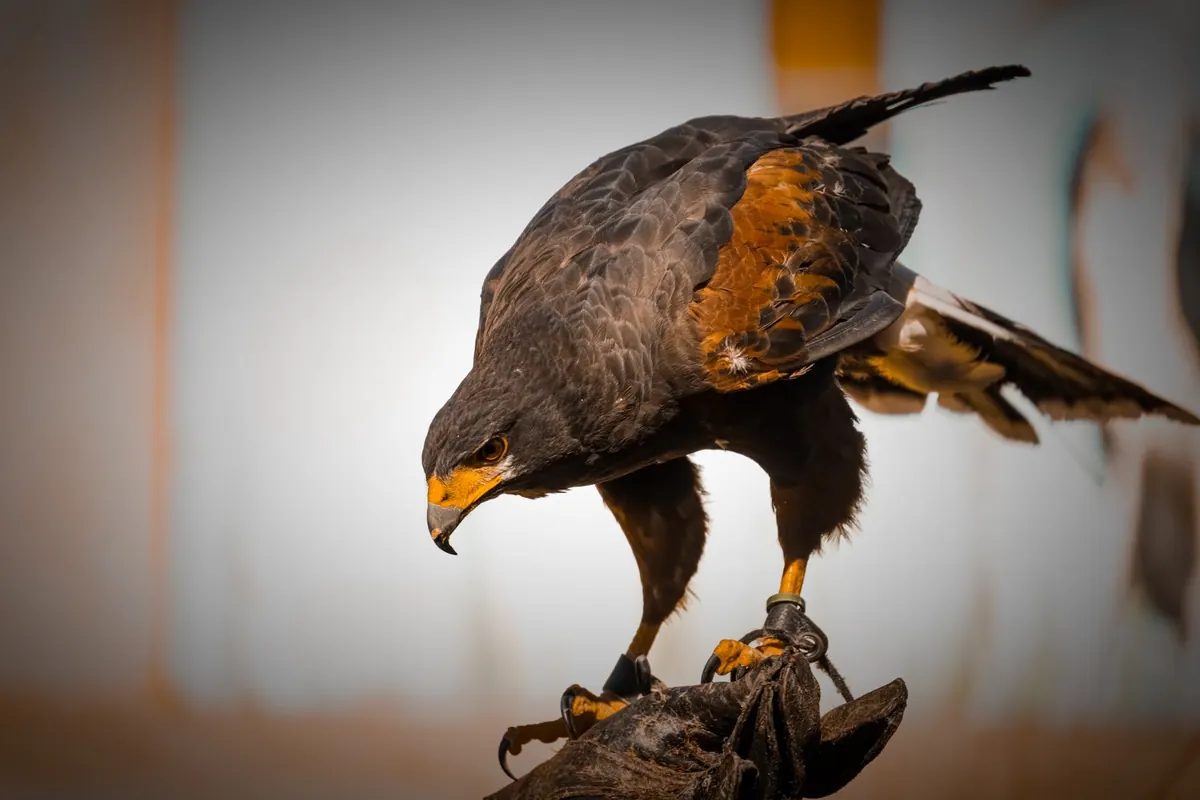
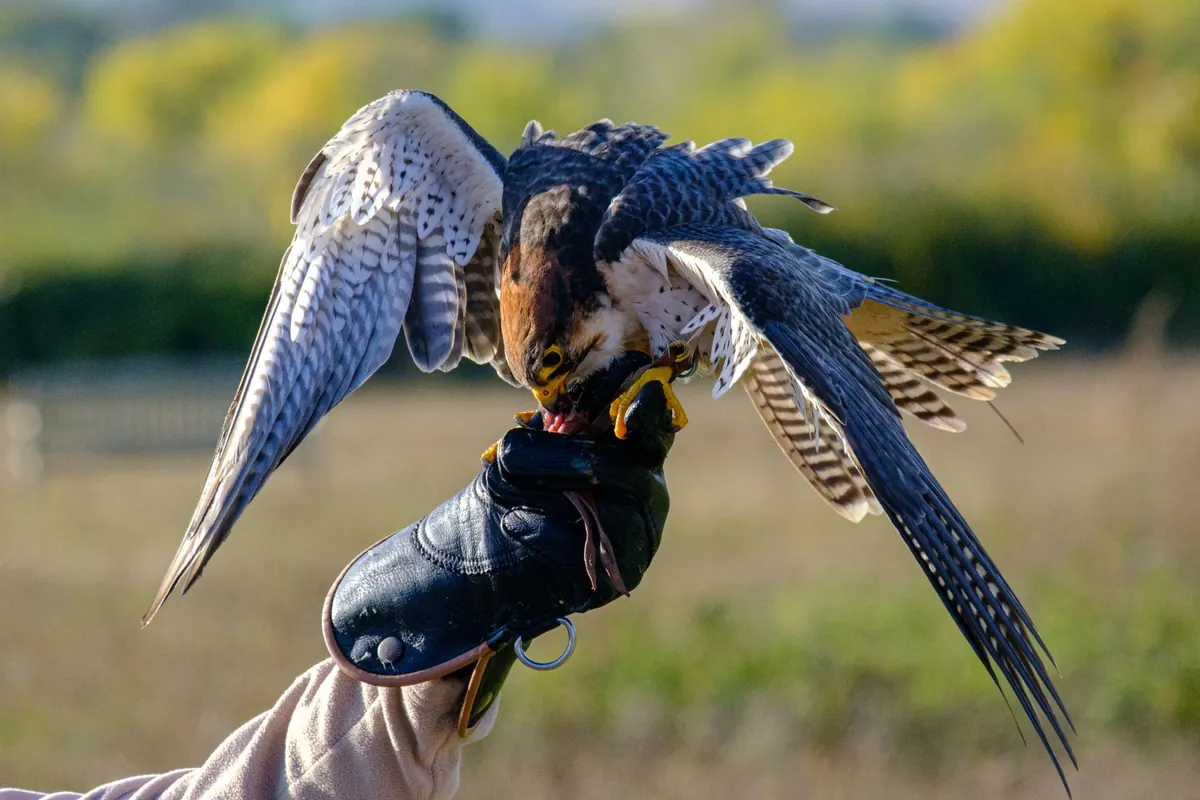
Photo: Momentmal / Pixabay

You Might Also Like
A practical first aid checklist for falconers — controlling bleeding, supporting suspected fractures, and dealing with heat stress, poisoning and shock before you reach an avian vet.
Practical ways UK falconers can back raptor conservation — joining survey and nest-box projects, breeding responsibly, improving habitat and keeping records that stand up.